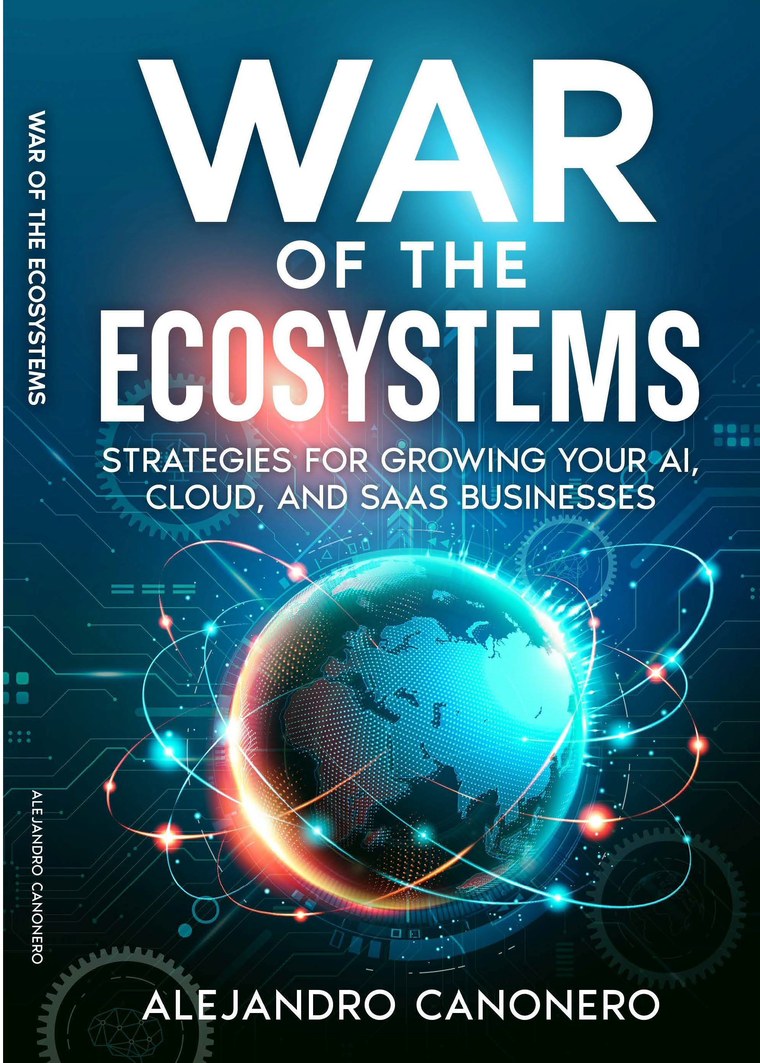
 War of the Ecosystems



Victory is not a given. It is seized. Commanders who grasp this truth dominate markets. Those who cling to old tactics perish. The stakes are clear. The prize is supremacy in the digital age. This is the era of ecosystem warfare.
The new frontline: ecosystem management strategies
In this campaign, the ecosystem is the weapon. It is the fortress. It is the army. Companies no longer fight with isolated products. They marshal alliances, forge partnerships, and orchestrate platforms. The ecosystem commander must deploy strategies that secure flanks, control supply lines, and outmaneuver rivals.
Ecosystem management strategies are the blueprint for this conquest. They define how to build, grow, and defend a network of partners, developers, customers, and technologies. These strategies are not theoretical. They are battle-tested frameworks that deliver decisive victories.
Consider Amazon Web Services. AWS did not win by selling servers alone. It built an ecosystem of developers, startups, and enterprises. It created marketplaces and APIs that locked in partners. This ecosystem became a fortress no competitor could breach easily.
“Consider Amazon Web Services. AWS did not win by selling servers alone. It built an ecosystem of developers, startups, and enterprises. It created marketplaces and APIs that locked in partners. This ecosystem became a fortress no competitor could breach easily.”
, Dr. Alejandro Canonero, DBA, author of War of the Ecosystems
Control the ecosystem, control the market.
Key tactics for ecosystem commanders
- Forge strategic alliances that multiply your reach and capabilities.
- Leverage platform openness to attract innovation and lock in loyalty.
- Deploy data and analytics as intelligence to anticipate enemy moves.
- Invest in partner enablement to strengthen your frontline forces.
- Continuously innovate to keep your ecosystem agile and dominant.
These tactics form the backbone of any successful campaign. They are the weapons in the commander's arsenal.
What are the four components of an ecosystem?
Understanding the anatomy of an ecosystem is critical. Every commander must know the terrain before launching an offensive.
The command center
The technology stack or marketplace that hosts the ecosystem and where all operations converge.
The allied forces
Technology partners, resellers, developers, and service providers that extend reach and capability.
The territory
Their adoption and engagement determine the ecosystem's strength and sustainability.
The laws of engagement
Policies, standards, and incentives that maintain order, fairness, and alignment.
Each component must be fortified and synchronized. Neglect one, and the entire structure weakens. The commander's role is to orchestrate these elements into a cohesive war machine.
Frameworks for victory
Porter's Five Forces: assessing competitive pressure
Porter's model exposes the battlefield dynamics. It reveals threats from new entrants, substitutes, supplier power, buyer power, and competitive rivalry. Ecosystem commanders use this intelligence to position their forces where they can dominate.
McKinsey 7S: aligning internal strengths
The 7S framework ensures that strategy, structure, systems, skills, style, staff, and shared values are aligned. This internal cohesion is vital for ecosystem resilience and rapid response to threats.
Blue Ocean Strategy: creating uncontested territory
Rather than fighting in bloody red oceans, commanders seek blue oceans: new markets where competition is irrelevant. Ecosystem innovation often opens these blue oceans by redefining value and creating new demand.
Case study: IBM's ecosystem reinvention
IBM transformed from a hardware vendor to a cloud and AI ecosystem commander. It realigned its 7S elements, leveraged Porter's insights to fend off rivals, and created blue oceans with hybrid cloud solutions. The result was renewed relevance and market leadership.
The playbook for commanders
The Ecosystem Commander playbook is the definitive guide for leaders who refuse to lose. It distills decades of operational experience, academic research, and battlefield lessons into actionable strategies.
- Define your ecosystem boundaries. Identify who belongs. Map partners, customers, and technologies, then set clear governance rules to prevent fragmentation and internal conflict.
- Build strategic alliances. Seek partners who complement your strengths and cover your weaknesses. Alliances are flanks that protect your core and extend your reach.
- Enable and empower your partners. Provide tools, training, and incentives. A well-equipped partner accelerates innovation and market penetration.
- Leverage data as intelligence. Collect and analyze ecosystem data relentlessly to anticipate competitor moves, allocate resources, and personalize customer engagement.
- Innovate relentlessly. Invest in research and development, pilot new business models, and embrace emerging technologies. Stagnation is death.
- Defend your position. Monitor threats continuously and respond swiftly with legal, technological, and market tactics that protect ecosystem integrity.
The final command: choose your fate
The war for ecosystem dominance is unforgiving. Hesitation invites defeat. The battlefield rewards the bold, the prepared, and the relentless. The choice is stark: master ecosystem management or surrender market relevance.
The tools, frameworks, and strategies are at your disposal. The Ecosystem Commander playbook awaits your command. Victory belongs to those who act decisively.
The future is ecosystem warfare. The time to lead is now.
This Pages edition preserves the full article and adds structured navigation, metadata, and direct links to the strategy library.